Miami-Dade County · 24/7
Smart Lock Installation in Miami
Keyless entry, installed and configured properly.
Up-front pricing · Damage-free first · Mobile units county-wide
Keyless entry, installed and configured properly.
Smart locks are mostly a mechanical product with an electronic front end, and almost every problem people have with them comes from treating it the other way round. The motor that drives the bolt is small and it has a limited amount of torque. If the door binds, if the strike is a few millimetres out of alignment, if the bolt has to be pushed the last part of its travel, a human hand will do it without noticing and a motor will stall, drain the batteries and eventually strip a gear.
That matters more in Miami-Dade than in most places. Doors here move: humidity swells wood, frames rack under wind load, slabs shift on settling foundations, and salt air corrodes bolts and strikes on anything within reach of the water. A smart lock installed on a door that already needed a shoulder to close was going to fail, and no firmware update changes that. The successful installations are the ones where the opening was made right first.
24/7 Locksmith Miami specifies, installs, services and replaces electronic residential locks across the county, from newer construction in Doral, Miami Lakes and West Kendall where they are now standard, to condominium units in Brickell and Aventura where association rules govern what can appear on a corridor facing door, to older houses in Coral Way and the Grove where the door itself is the variable. Call (786) 539-3980 and describe the door before deciding on the lock.
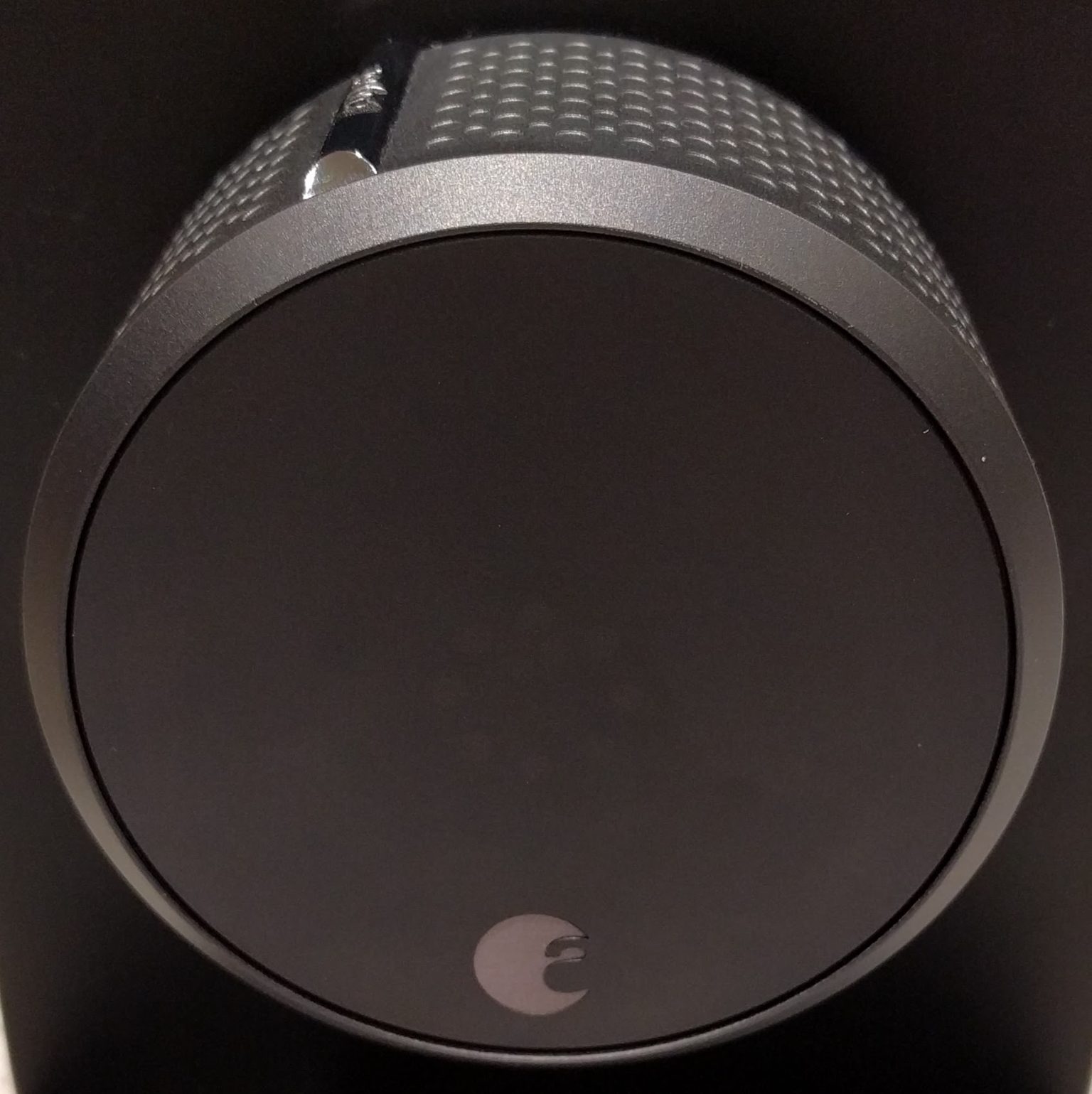
A keypad deadbolt is the simplest form: a code entered on a pad drives a motorised bolt, with no network connection at all. It solves the practical problem most people actually have, which is not carrying a key, and it has the fewest failure modes. A connected lock adds a radio, whether that is a direct wireless link, a low energy connection to a phone, or a mesh protocol through a hub, which enables remote operation, notifications and credential management from anywhere.
Then there are retrofit interior drives, which fit over an existing deadbolt's thumbturn and motorise it while leaving the exterior cylinder and the key untouched. These are the most sensible option in a lot of situations, particularly on rental units and on condominium doors where the exterior appearance is governed by the association. Finally there are integrated multipoint and mortise electronic locksets, which are commercial or high end residential products where the electronics are built into a serious lock body rather than added to one.
Before any electronic lock goes on, the opening has to be sound. The bolt must throw its full travel into the strike with no resistance, with the door both open and closed. The gap between door and frame has to be consistent, the hinges tight, the slab not dragging on the threshold and not binding at the head. A box strike reaching solid material, secured with screws long enough to reach framing rather than jamb trim, does more for both security and reliability than the lock itself.
Testing this is simple and almost never done. Throw the bolt with the door open and note how it feels. Close the door and throw it again. If the second one is noticeably harder, the strike is misaligned, and that difference is exactly what kills motorised locks. In this county the alignment is not static: humidity swells and shrinks wood doors seasonally, frames rack, and a lock that worked perfectly in February can stall in August. That is a strike and hinge problem wearing an electronics costume.
Batteries are the leading cause by a wide margin, and they are usually a symptom rather than a fault. A motor fighting a misaligned strike draws several times its normal current, so a lock that eats batteries every few weeks is telling you the door needs adjusting. Cold does not matter here; heat and humidity do, and corrosion on battery terminals is common in unconditioned garages, in coastal properties and on exterior mounted components anywhere near the water.
The second cause is mechanical wear in the drive train. Plastic gears in the motor assembly strip when the motor repeatedly stalls, which produces a lock that hums and does nothing. The third is moisture ingress, since an exterior keypad and a driving rain are an obvious combination in South Florida, and a keypad membrane that has been cooking in direct sun for three years cracks. Network and firmware problems exist but are a smaller share than people assume, and they rarely stop the lock working locally.
The genuine advantage of an electronic lock is credential management. A code can be issued to a cleaner, a contractor, a dog walker or a short term guest and revoked the moment it is no longer needed, without rekeying anything. A code can be time limited to weekday mornings. A connected lock can log who entered and when, which is useful for a rental property and for anyone managing access for several people.
That advantage only materialises if the codes are actually managed. The common failure is a lock with fourteen codes on it, none of them labelled, that nobody remembers issuing, which is exactly the problem mechanical keys had. Give every code an owner, review the list periodically, delete codes when the relationship ends, and use a different code for each person rather than a shared one. Avoid obvious sequences and avoid the street number. Where a keypad has been used long enough to wear the digits, the code is visible from outside.
Most electronic locks retain a mechanical key cylinder, and that cylinder is the one that has to work when the batteries die, the board fails or a hurricane takes the power out for a week. It deserves the same attention as any other exterior cylinder: a decent grade, a corrosion appropriate finish, and rekeying when key control changes. It is frequently the cheapest component in the assembly and it is the one you will depend on at the worst moment.
Some designs omit it entirely, relying on external battery contacts that let a nine volt battery be held against the keypad to power the lock long enough to enter a code. That works when the failure is battery related and does nothing when the board or the motor has failed. On a single family home with other doors, that risk is tolerable. On a condominium unit with one entrance, or on an elderly resident's only door, a mechanical override is the sensible requirement rather than an option.
A condominium unit door in Brickell, Aventura, Sunny Isles Beach, Edgewater or Dadeland is usually a fire rated assembly in a steel frame, hung on a closer, and part of a building wide master key system, often on a restricted keyway controlled by management. All three of those constrain what can be installed. The fire label requires that self closing and positive latching survive, so nothing may defeat the closer and nothing may prevent the latch from engaging.
The master key system means management has to retain emergency access to the unit, which a smart lock replacing the deadbolt entirely may defeat. Associations also commonly restrict what may appear on a corridor facing door for appearance reasons. The practical solution in most towers is a retrofit interior drive that motorises the existing thumbturn while leaving the exterior cylinder, the keyway and the building's access intact. Check with management before buying anything, because the answer varies building by building.
A large share of post Andrew and post 2002 housing across Cutler Bay, West Kendall, Homestead, Doral and Miami Lakes has an impact rated entry assembly carrying a Miami-Dade Notice of Acceptance. The NOA covers a complete tested configuration, slab, frame, hinges, threshold, fasteners and lock together, so fitting an unlisted electronic deadbolt into that assembly voids the approval for the opening, which matters for insurance and at resale inspection.
Where the entry uses a multipoint gearbox throwing a centre latch plus top and bottom shootbolts, the problem is more direct: there is usually no separate deadbolt for a smart lock to replace, and multipoint gear is not interchangeable across manufacturers. The options are an electronic trim or lockset listed as part of that manufacturer's system, or accepting that the front door stays mechanical and putting the electronic lock on a secondary entry. Establishing which door you have is the first step, not an afterthought.
A correct installation starts with the preparation: cross bore diameter, edge bore, backset of 2 3/8 or 2 3/4 inches, and door thickness all have to match the product, and a lock forced into a preparation it does not fit will bind permanently. The exterior and interior assemblies have to be squared to each other so the spindle is not under side load. Cables have to be routed and seated properly, since a pinched cable between keypad and drive is a common installation fault that shows up weeks later.
Then the strike is adjusted until the bolt throws its full travel with zero resistance, with the door closed. Then the lock is calibrated to its own travel, which most products require, and tested under multiple cycles. Then codes are configured, an owner or administrator credential is set, and the mechanical override key is confirmed to work. And then, importantly, the customer is shown what to do when the batteries fail, because that is the moment when all of this matters.
On a door that binds, racks or drags, until the door is fixed. On a fire rated condominium door where the association requires the existing system, unless a retrofit interior drive is acceptable. On an impact rated multipoint assembly where no listed electronic option exists. On an outward swinging exterior door exposed to driving rain and full sun with no overhang, where a keypad has a short life. And for anyone who genuinely will not manage codes or batteries, where a good mechanical deadbolt and a rekey is a better outcome.
It is also the wrong purchase when it is being asked to fix a security problem it does not address. If the concern is forced entry, the money belongs in the strike, the frame, the slab and the glass beside the door, not in a keypad. If the concern is that too many people have keys, a rekey costs a fraction as much. Electronic locks solve convenience and credential management extremely well. They do not make a weak opening strong.
The hardware is the main variable and it spans a wide range, from a basic keypad deadbolt to a connected lockset to a listed electronic multipoint trim. Installation labour depends on whether the existing preparation matches, whether the strike and frame need work, and whether a hub or network configuration is involved. Multiple doors, a garage to house passage door and a secondary entry all add. Service calls on existing locks depend on whether the fault is alignment, drive train, moisture or electronics.
Before a technician arrives, measure the backset from door edge to bolt centre and the door thickness, and note whether the slab is wood, metal or fiberglass and which way it swings. Photograph the existing hardware from both sides and the door edge. Look for an NOA or product label on the frame or door edge if it is an impact rated entry. Test the bolt with the door open and closed and report the difference. If it is a condominium, ask management what is permitted before buying anything.
Smart locks are mostly a mechanical product with an electronic front end, and almost every problem people have with them comes from treating it the other way round. The motor that drives the bolt is small and it has a limited amount of torque. If the door binds, if the strike is a few millimetres out of alignment, if the bolt has to be pushed the last part of its travel, a human hand will do it without noticing and a motor will stall, drain the batteries and eventually strip a gear.
That matters more in Miami-Dade than in most places. Doors here move: humidity swells wood, frames rack under wind load, slabs shift on settling foundations, and salt air corrodes bolts and strikes on anything within reach of the water. A smart lock installed on a door that already needed a shoulder to close was going to fail, and no firmware update changes that. The successful installations are the ones where the opening was made right first.
24/7 Locksmith Miami specifies, installs, services and replaces electronic residential locks across the county, from newer construction in Doral, Miami Lakes and West Kendall where they are now standard, to condominium units in Brickell and Aventura where association rules govern what can appear on a corridor facing door, to older houses in Coral Way and the Grove where the door itself is the variable. Call (786) 539-3980 and describe the door before deciding on the lock.
Smart locks come in several types, and the right one depends on how you live. Keypad models let you enter a code and need no phone. Bluetooth models unlock when your phone is near, which is fast but limited to short range. Wi-Fi models can be controlled remotely and send alerts, but depend on your home network and sometimes a bridge device. Before calling, decide who will use the lock, how often guests come and go, and whether you want a physical key as backup. Those answers narrow the choice more than brand names do. Ask yourself what should happen during a power failure or a dead battery, because the answer decides whether a mechanical key override matters to you.
Installation starts with the door, not the lock. The technician checks the door thickness, the bore hole size, the backset and whether the door closes cleanly into the strike. A door that sticks in humid weather will make any lock seem unreliable, so alignment is checked first. Batteries sit inside the lock body, so the technician shows you where to find them and how to swap them. Some models give a warning before power runs low, and we explain how to open the door if the batteries die completely. Weather matters too, so a door that gets direct sun and rain deserves a lock with a finish and seals meant for that exposure.
Think about the tradeoffs. Convenience goes up, but so does the number of things that can fail: batteries, firmware, apps and network connections. Salt air near the coast can also shorten the life of exterior finishes, so choose a rated finish if your door faces open weather. Set up your own codes and remove any default ones, and keep a mechanical key somewhere safe. Rental hosts should plan how codes change between guests. Call us to talk through compatibility with your current door and to hear how the work is scoped before it begins. If you are unsure which model suits your door, call us and describe it, and we will explain what can be installed before any work begins.
This service is available across all of Miami-Dade County, see our full coverage map or just call and tell dispatch where you are.
One number, any hour: a live dispatcher and a mobile technician near you.