Miami-Dade County · 24/7
Business Lockout Service in Miami
Commercial lockouts handled discreetly and fast.
Up-front pricing · Damage-free first · Mobile units county-wide
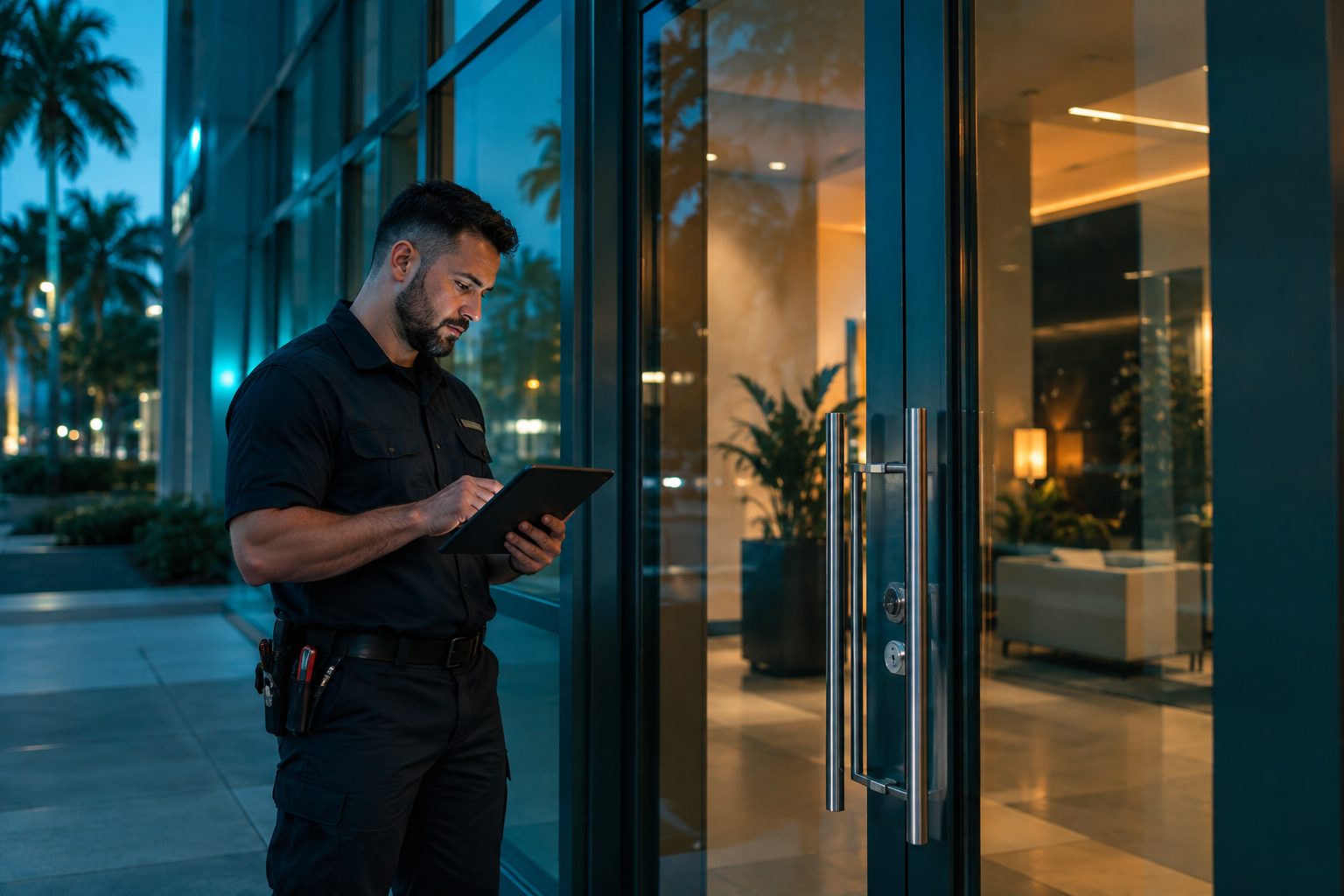
Commercial lockouts handled discreetly and fast.
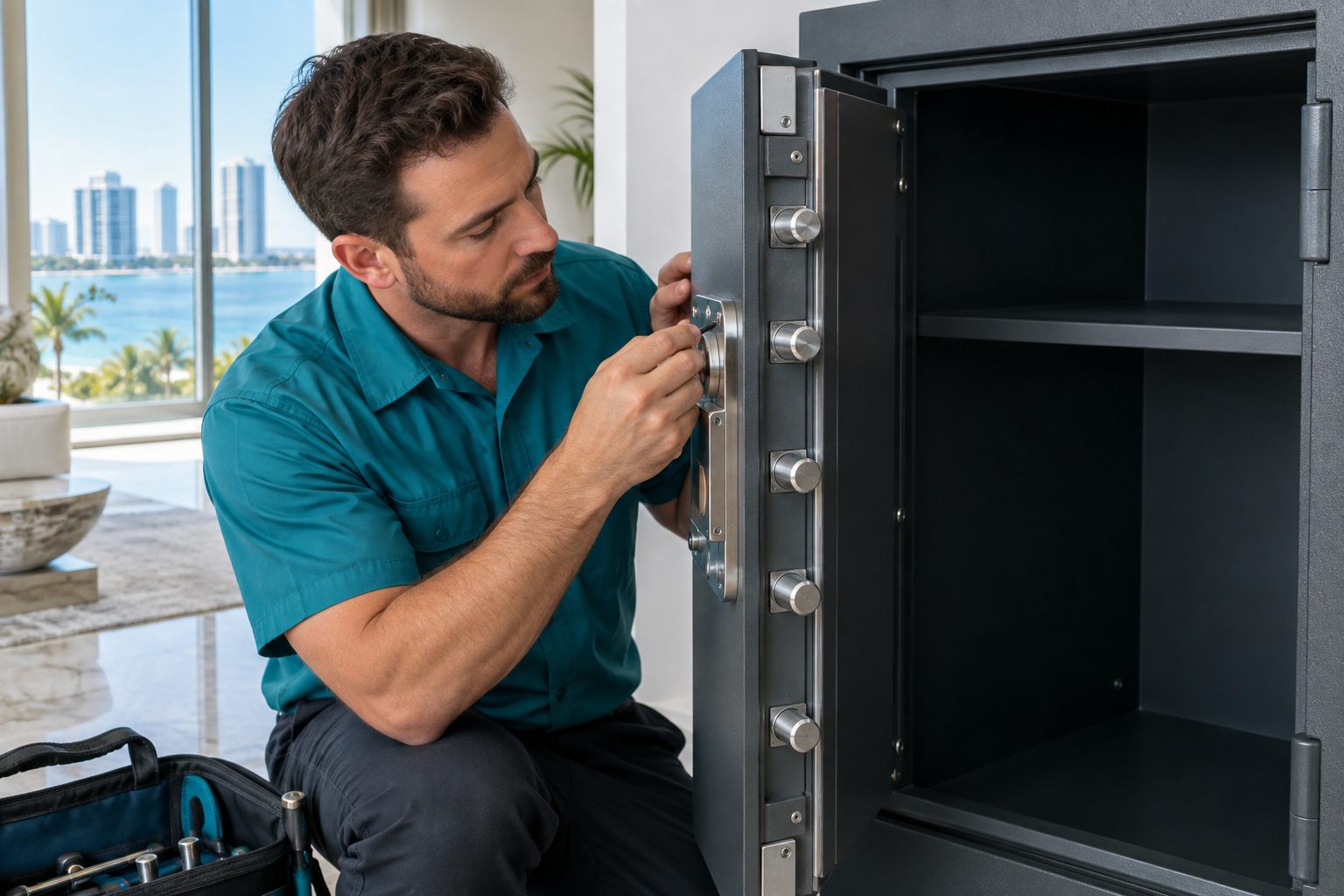
A commercial lockout is rarely just a locked door. It is a closed business, a delivery waiting in a truck court, a shift standing in a parking lot, a walk in cooler that needs power and a tenant whose landlord holds a master key nobody can reach. The hardware is also different in kind from residential work: narrow stile aluminum storefront doors with Adams Rite style deadlocks, hollow metal doors with Grade 1 mortise locksets, exit devices on required egress openings, rolling steel service doors, electric strikes and maglocks with request to exit hardware.
Miami-Dade generates a lot of this work because the county is a commercial county. Doral holds one of the largest warehouse and distribution concentrations in South Florida. Hialeah runs industrial fabric along Okeechobee Road and the East 25th Street corridor. Wynwood converted its warehouse stock into galleries, breweries and restaurants with fast tenant turnover. Downtown stacks a jewelry district, mid century office buildings and ground floor retail on top of each other. Every arterial in the county carries strip centres, and every strip centre is a row of aluminum storefront doors.
24/7 Locksmith Miami handles commercial lockouts across all of it. This page covers the hardware you are actually standing in front of, how each type is opened, what the code will not allow regardless of who asks, what drives cost on a commercial call, and what to have ready before a technician arrives. Call (786) 539-3980 and describe the door, because on a commercial job the door type determines almost everything.
This is the most common commercial entry in the county: a glass panel in a slim aluminum frame, hung on offset pivots or a continuous geared hinge, usually with an overhead concealed closer in the transom. The lock is typically an Adams Rite style MS deadlock mortised into the stile, operated by a 1-1/8 inch mortise cylinder with a cam, sometimes paired with paddle or lever trim and a deadlatch instead of a deadbolt. The stile is narrow, which is precisely why the hardware is specialised rather than residential.
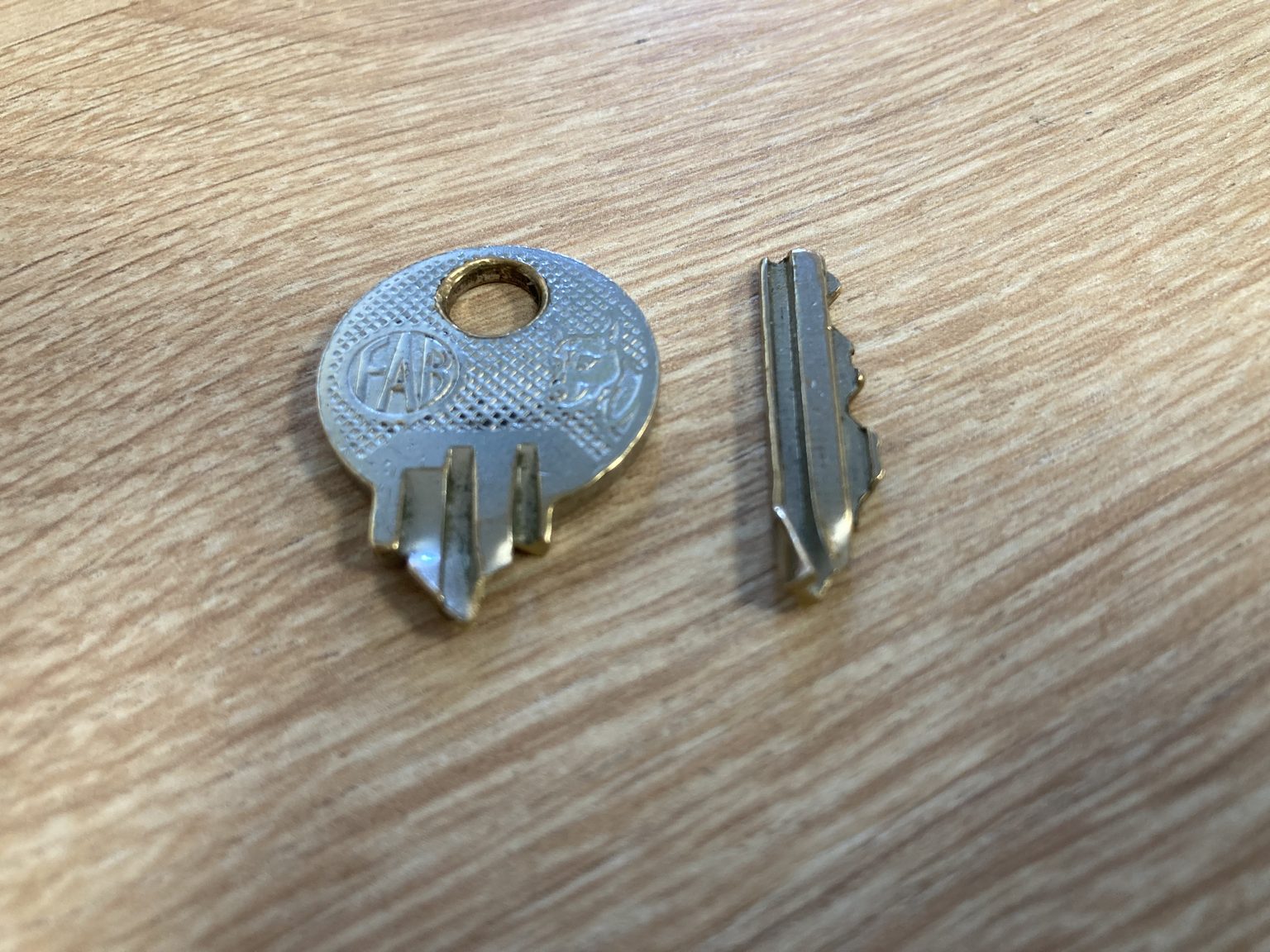
The practical consequence for a lockout is that the cylinder is the target and it is a replaceable part. Picking a 1-1/8 inch mortise cylinder is often straightforward. Where it is not, the cylinder can be drilled and replaced without touching the glass, the stile or the frame, which is the whole reason this hardware is designed the way it is. On a deadlatch rather than a deadbolt, bypass around the latch is sometimes faster still. What should never happen is prying a narrow stile, because the aluminum takes a permanent set.
Back of house, service corridors, stairwells, warehouse man doors and office suite entries across Doral, Hialeah, Medley and every mid century Downtown building use hollow metal doors in hollow metal frames. The hardware is heavier than residential by design: Grade 1 or Grade 2 mortise locksets with cast internals and serviceable parts, or heavy duty bored cylindrical locksets, with a mortise or rim cylinder and a lever rather than a knob. These doors are cycled hundreds of times a day, which is what the grade is for.
They fail from use rather than from age. Latch springs weaken, mortise hubs and follower assemblies wear, the deadbolt in a mortise body binds when the frame racks, and cylinders seize from grit and salt in coastal and industrial settings. Opening them starts with picking the cylinder or bypassing the latch where geometry allows. A hollow metal frame anchored into masonry, which describes most of them in this county, means prying is both futile and damaging, and drilling a cylinder is far less costly than deforming a frame.
Required means of egress doors carry panic or fire exit hardware: rim devices with a surface latch, mortise devices integrated into a mortise lock body, and surface or concealed vertical rod devices latching at head and sill. Outside trim may be a lever, a pull with a cylinder, or a keyed removable mullion between a pair of doors. The rim device cylinder with its tailpiece is usually what needs service, and it is typically what gets picked or replaced during a lockout rather than the device itself.
The rule that never bends is free egress. Nothing may be installed that prevents a person inside from getting out with a single motion: no padlocks, no hasps, no chains, no add on deadbolts, no thumbturn removals on an exit door. Tenants ask for these, usually after a theft, and the answer is always no because life safety is not negotiable. The legitimate alternatives are real: delayed egress hardware where code permits it, alarmed exit devices, better cylinders, door position monitoring and securing the actual point of entry instead.
The warehouse fabric of Doral, Medley, Hialeah's Okeechobee corridor and Wynwood's older core runs on rolling steel and sectional overhead doors. Security comes from slide bolts with padlocks, cylinder locks set into the bottom bar, chain hoists with hasps, and on motorized units a keyed disconnect or a key switch operator. Lockouts here usually mean a seized bottom bar cylinder, a padlock that has corroded solid, a lost key to a key switch, or a chain hoist hasp that cannot be released.
The technical care point is that these assemblies are under spring tension and are heavy. Drilling a bottom bar cylinder is routine. Cutting a padlock shackle is routine. Forcing a curtain, prying a bottom bar or interfering with a counterbalance spring is not, because the failure modes are dangerous rather than merely expensive. Where a motorized operator is involved, the correct move is often to release the operator properly and work the door manually rather than to attack the door itself. Loading dock man doors beside the overhead opening are frequently the faster route in.
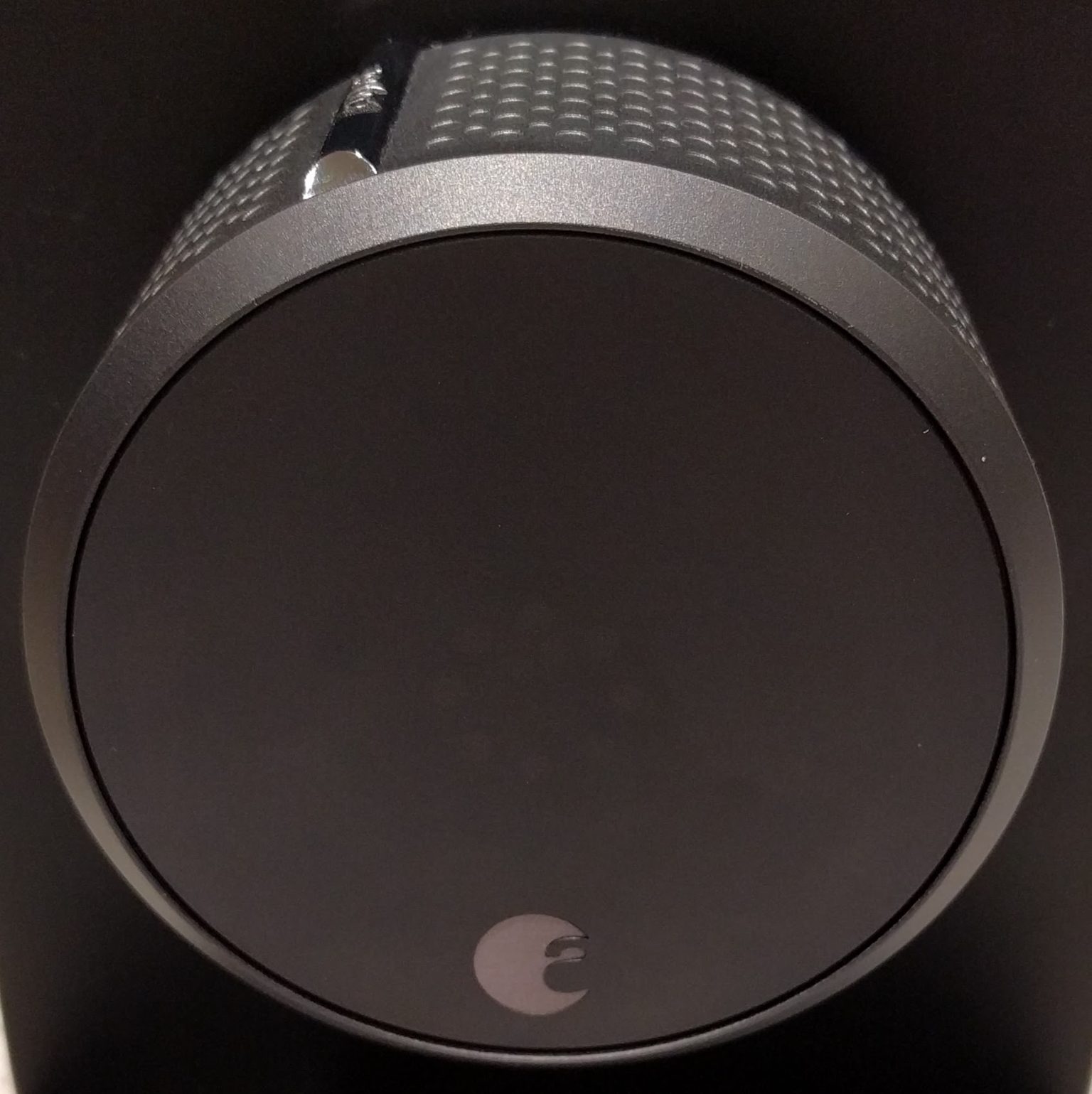
A large share of commercial calls in Doral, Downtown and newer buildings are not mechanical at all. An electric strike that will not release, a maglock that stays energised, a card reader that stopped authenticating, a controller that lost its database after a power event, or a request to exit sensor that failed are all access control problems wearing a lockout's clothing. The diagnostic question is whether the mechanical hardware still works when the electronics are bypassed, and that is usually answerable quickly.
Fail safe and fail secure is the distinction that matters. A fail safe device unlocks when power is lost, which is what code requires on many egress paths. A fail secure device stays locked. That means a power failure locks some doors and unlocks others in the same building, and knowing which is which tells you immediately whether your problem is power, the controller or the lock. Every one of these installations retains a mechanical override cylinder somewhere, and finding and using that override is frequently the fastest legitimate way in.
In a multi-tenant bay building, office floor or strip centre, the keying is a system rather than a set of independent locks. A change key opens one suite. A master key opens a defined group, usually held by the landlord or property manager. A grand master may sit above several masters in a portfolio. During a lockout this matters because the fastest resolution is often a phone call to whoever holds the master, and because any work done has to preserve the system rather than isolating a door from it.
It also matters for what happens afterward. Rekeying one suite after a lockout, a burglary or an employee departure has to be pinned into the existing system so the building master still works. Doing it as a free standing rekey creates a door that management cannot access in an emergency, which usually violates the lease and always creates a problem later. Interchangeable core systems make all of this much faster, because a control key pulls a figure eight core and a replacement drops in without disassembling the lock.
The person who can authorize a commercial opening is the one with authority over the premises, not simply whoever is standing at the door in a company shirt. That usually means an owner, an officer, a named manager or a property manager for common areas. The proof is documentary rather than personal: a lease, a business licence document, incorporation paperwork, a utility bill in the business name, or the landlord or property manager confirming who the tenant is and who is authorized to act for them.
The awkward cases are business disputes. Two partners disagreeing about who controls a premises, a departing manager who still has keys, a tenant in arrears and a landlord who wants access, and a franchise operator versus a franchisor are all situations where a technician cannot adjudicate. The answer in those cases is that we do not proceed on one party's account. It is the same standard that stops a former employee having your suite opened after hours, and it is worth having your authorization documentation somewhere reachable before you need it.
Most commercial lockouts happen at the two ends of the day: someone arriving to open at five in the morning and finding a failed cylinder, or someone locking up at midnight in Wynwood or on Ocean Drive and discovering the deadbolt will not throw. Both are urgent for the same reason, which is that an unsecured premises cannot simply be left. If the door cannot be made fully secure on the spot, temporary securing plus a return visit is a far better outcome than leaving a business open.
Alarms complicate the picture and should be mentioned on the phone. Opening a door on a monitored system will trip it unless someone can disarm, and a keypad inside a vestibule you cannot reach until the outer door opens creates an obvious sequencing problem. Know your alarm code or have the person who does on the phone. If a police response is likely, it helps that the person with authority over the premises is physically present, which is a good reason to be there rather than sending an employee.
The variables are the service call across the county, the hour, the hardware type and grade, how many openings are involved, and whether the fix is an opening or a repair. A 1-1/8 inch mortise cylinder in a storefront door is inexpensive hardware and quick work. A Grade 1 mortise lock body, a vertical rod exit device latch assembly, a commercial closer or an interchangeable core is a different tier. Access control diagnosis is billed as diagnosis because that is what it is.
Scope creeps on commercial jobs more than residential ones because the opening frequently reveals the real problem. A cylinder that would not turn was seized by salt and grit and needs replacing. A door that would not latch has a vertical rod out of adjustment, or a closer with the wrong spring power for the door, or a frame that has racked. The technician stops and gives you the revised scope and number before continuing, because a business needs to decide whether to fix it now or secure it now and fix it during trading hours.
If the premises has been broken into, the police report comes first and repairs come second, both because of the investigation and because your insurer will want the sequence documented. If a person is trapped inside, or there is a medical situation, or a walk in freezer or cooler has someone in it, call 911 before anyone else. If the problem is that a former employee still has keys, an opening solves nothing and the actual job is a rekey or a core swap across every affected opening.
It is also the wrong call when the honest answer is a system rather than a service. A business that has been locked out three times in a year because a cylinder keeps seizing does not have a lockout problem, it has a hardware specification problem, usually a plated cylinder in a salt or dust environment that should be brass or stainless. A business that cannot account for how many keys exist does not need another rekey, it needs a restricted keyway so duplication requires documented authorization.
This service is available across all of Miami-Dade County, see our full coverage map or just call and tell dispatch where you are.
One number, any hour: a live dispatcher and a mobile technician near you.