Automotive


Residential


Commercial

Emergency

Fourteen services, one number, around the clock.
Locksmith work is not one trade. Opening a locked car without marking the door, originating a key for a vehicle with no working key left, repinning a cylinder to a new bitting, building a master key system for a multi-tenant warehouse, manipulating a safe dial and drilling an impact rated commercial door are five different skill sets that happen to share a service vehicle. This page explains what each service category actually involves and, more usefully, when it is the right call and when it is not.
24/7 Locksmith Miami runs all of it across Miami-Dade County, which means the same operation handles a Brickell tower unit door on a restricted keyway, a Hialeah reja and deadbolt combination, a Doral warehouse rolling steel door, a Coral Gables mortise lockset in a 1920s arched door and a Homestead packing house padlock. The hardware differs enormously. The diagnostic approach does not.
Most people call with a symptom rather than a service name. The key turns but nothing happens. The door will not latch. The fob works sometimes. The car cranks but will not start. Reading the symptom correctly is the job, because the wrong service wastes money and sometimes makes the situation worse. Call (786) 539-3980 and describe what is happening rather than what you think it is called. The sections below cover the categories in the order they usually come up.
A lockout is an access problem, not a hardware problem, and the goal is to solve it without creating one. On a vehicle that means a controlled gap at a door corner held by an inflatable bladder rather than a metal pry, and a coated long reach tool routed around the side curtain airbag, the window regulator and the door module. On a house or a suite it means starting with picking, raking or bypass on the existing cylinder before anything destructive is considered.
Drilling is sometimes correct and should be explained before it happens. It is aimed at a shear line, a specific driver pin stack or a hardened insert, not at the door, and it ends in a replacement cylinder rather than a ruined leaf. The choice is driven by hardware. A worn residential pin tumbler deadbolt usually picks open. A high security cylinder with spool and serrated pins, hardened rods and a sidebar often does not, and forcing it wastes an hour that a planned drill and replace would have used productively.
This splits sharply depending on whether you still hold a working key. With one in hand, the job is usually duplicating or originating the blade and running an add key routine so the new transponder enrolls alongside the existing ones. With no key at all, it becomes an all keys lost origination: the cutting code has to be derived from the lock, a code source or a decoded door or ignition wafer stack, the blade cut, and the immobilizer taught to accept the key from a locked out state.
That second path often requires erasing the module's incoming key list, which invalidates every key previously programmed to the vehicle. If a spare is sitting in a drawer at home, it stops working. That is not a preference, it is how many systems recover from a lost key state, and it is worth mentioning at intake so nobody is surprised. Blade type matters too: edge cut blanks are straightforward, high security laser and sidewinder blanks require a milling machine, and proximity fobs may have no functional blade beyond an emergency insert.
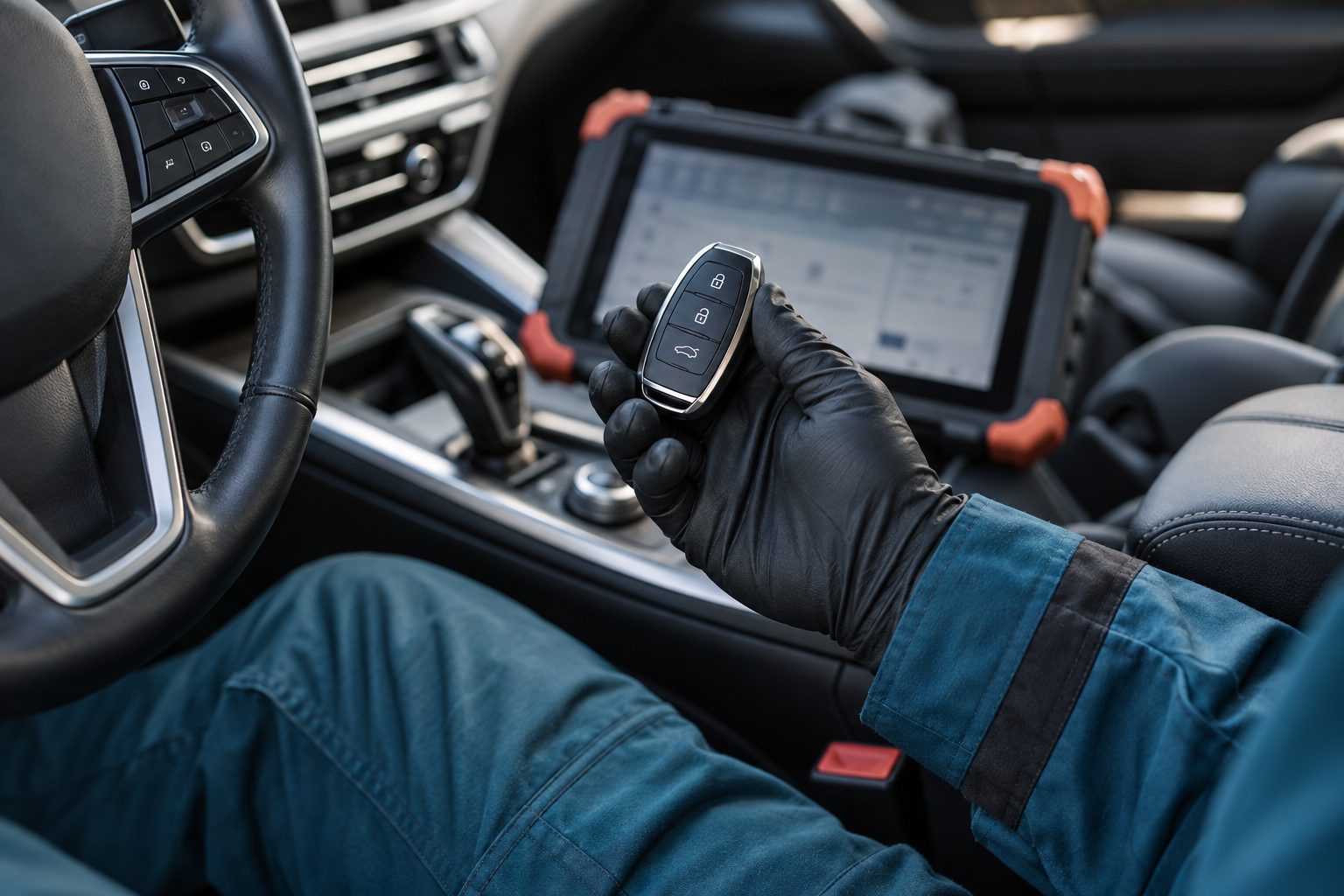
Fob work covers three distinct problems that people describe identically. The first is a dead or failing fob, which is often a battery, a cracked solder joint on a button pad, or water damage, and is repair rather than replacement. The second is adding a fob to a vehicle that already has working ones, which is a programming session against the immobilizer or body control module. The third is replacing a lost fob, which is an all keys lost problem wearing a different name.
Compatibility is the part that catches people out. A fob has to match the vehicle's frequency, its chip generation and frequently its part number family, and a physically identical shell can hold entirely different electronics. Aftermarket fobs vary widely in whether they program reliably and hold programming. Some vehicles restrict programming to dealer level tooling or impose a security waiting period measured in minutes before a new key is accepted. We check what the specific year, make and trim requires before promising an outcome.
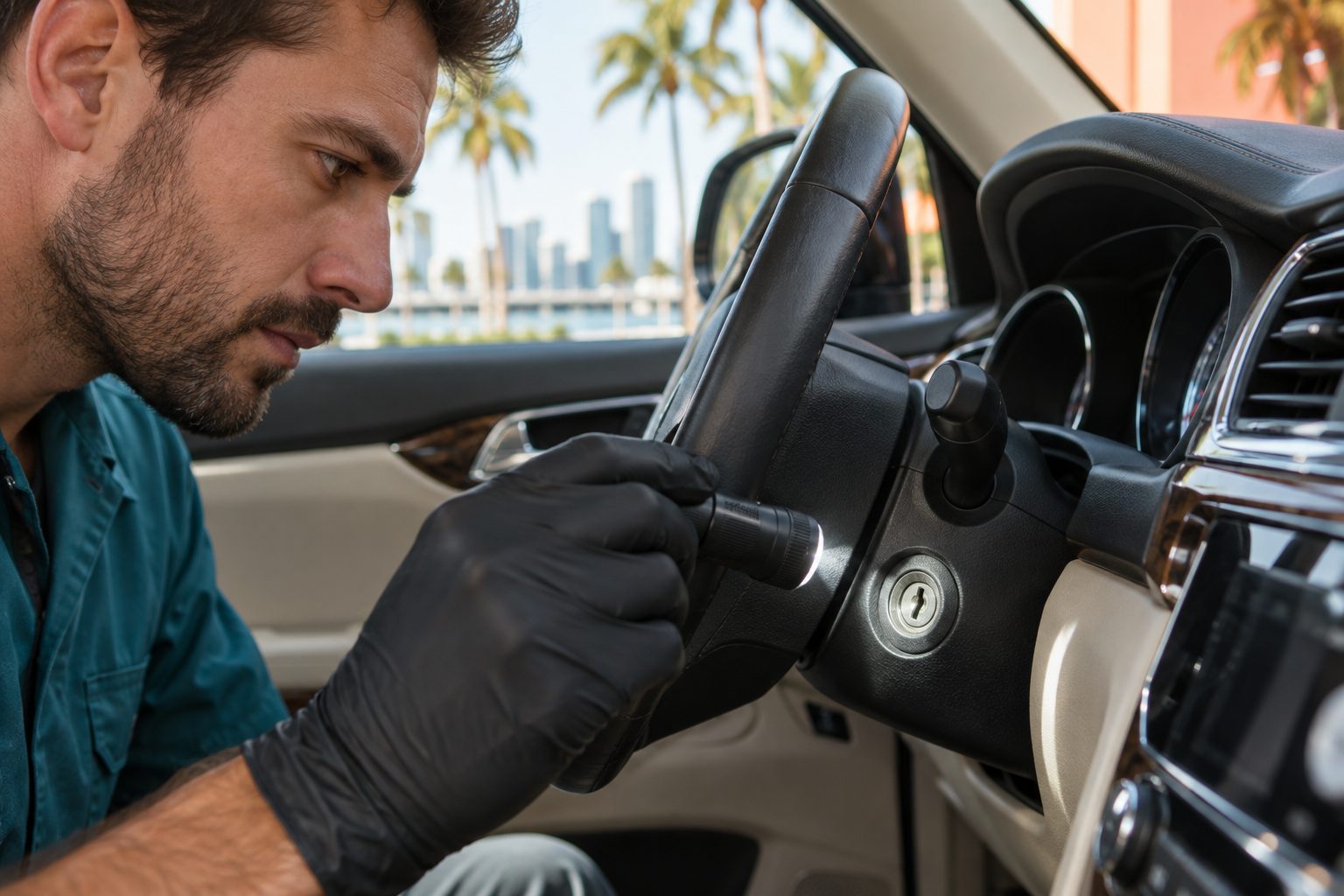
An ignition problem and a key problem feel the same from the driver's seat, so the first task is separating them. If a known good key will not enter or will not rotate, the ignition lock cylinder is a suspect: worn wafers, a broken retainer, debris packed into the keyway, or a sheared cam or rack behind the cylinder. If the key turns freely but the vehicle cranks without starting, the fault is more likely the immobilizer refusing to authorize, which points back at the transponder, the antenna ring around the cylinder or the module.
Repair usually beats replacement when the cylinder can be rebuilt with fresh wafers and springs and keyed to the existing key, which keeps one key operating both doors and ignition. Replacement makes sense when the housing, cam or rack is damaged. On steering column mounted assemblies the work can involve removing shrouds, releasing a retaining pin and sometimes dealing with a steering lock mechanism, and on many vehicles the new cylinder has to be keyed to match or the immobilizer relearned. It is not a five minute job on most modern columns.
Rekeying repins an existing cylinder to a new bitting so old keys stop working and a new key operates. The lock stays on the door, the finish stays intact, and nothing about the fit or alignment changes. It is the right service after a real estate closing, after a tenant moves out, after a contractor, cleaner, dog walker or former partner had access, or any time the count of keys in circulation is genuinely unknown. On a property with several doors it also lets everything be keyed alike so one key runs the house.
It is the wrong service when the hardware itself has failed. A cylinder with worn plug and shell tolerances, a corroded bolt that drags in the strike, a latch that no longer projects fully or a deadbolt whose throw has been shortened by a shifted jamb will do all of those things just as badly with new pins. It also does nothing about key control: if the keyway is a standard one, the new key can be copied at any counter. That is what restricted keyways exist to solve.
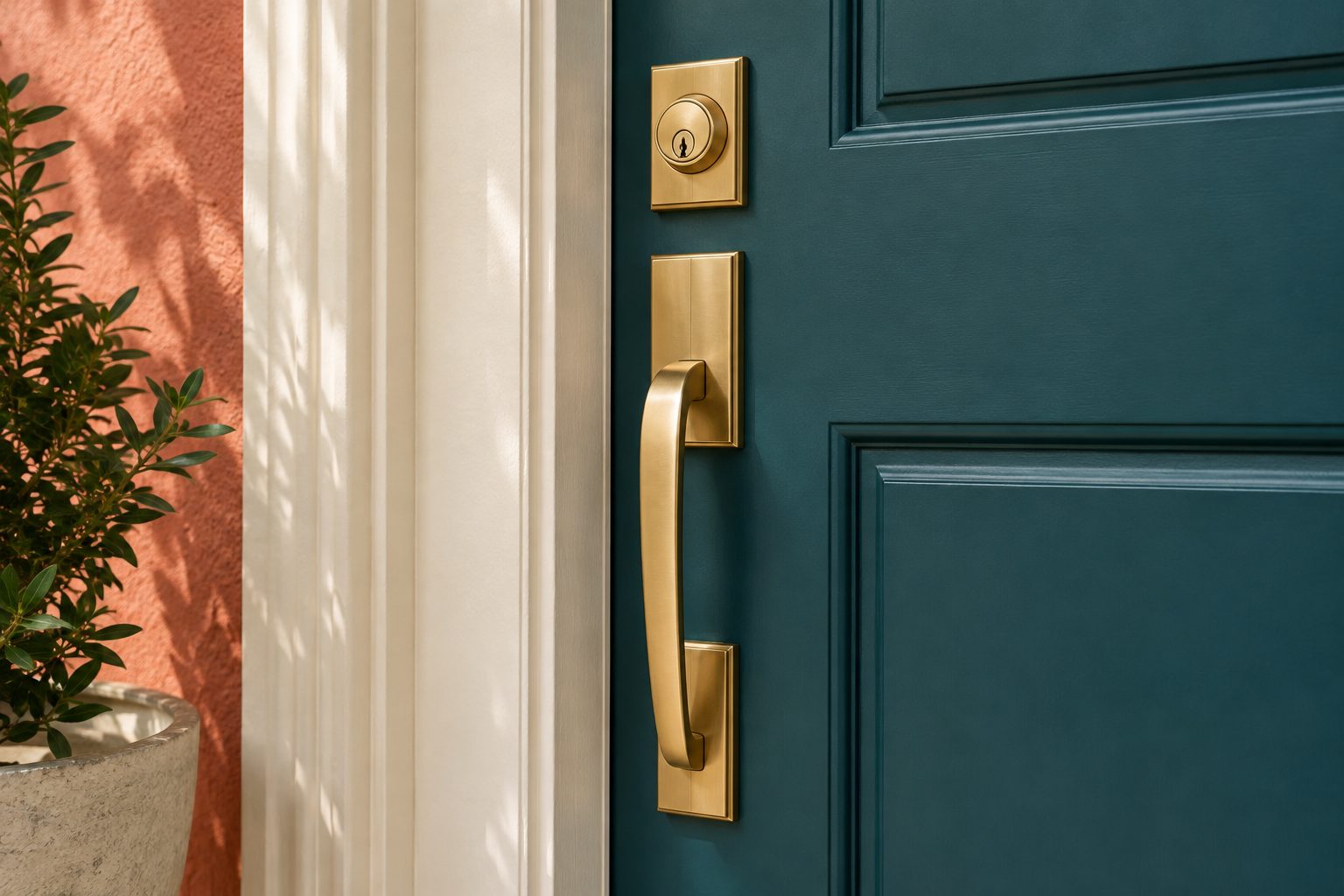
Changing hardware is the right move when the existing lock is failing, when the function is wrong for the opening, or when the grade is inadequate. Function matters more than people expect. A passage set has no lock at all. A privacy set has an emergency release, not security. A storeroom function lever is always locked outside and always free inside. An entry lever unlocks with a thumbturn or button. Specifying the wrong function produces a door that either cannot be secured or traps people behind it.
Grade is the other axis. Residential grade hardware is built for a door cycled a few times a day. A commercial lever on a busy entry is cycled hundreds of times, which is why Grade 1 and Grade 2 mortise and cylindrical locksets exist with heavier springs, cast rather than stamped internals and serviceable parts. On impact rated assemblies with a Miami-Dade Notice of Acceptance the choice narrows further, because the lock is part of a listed configuration and substituting an unlisted equivalent voids the approval.
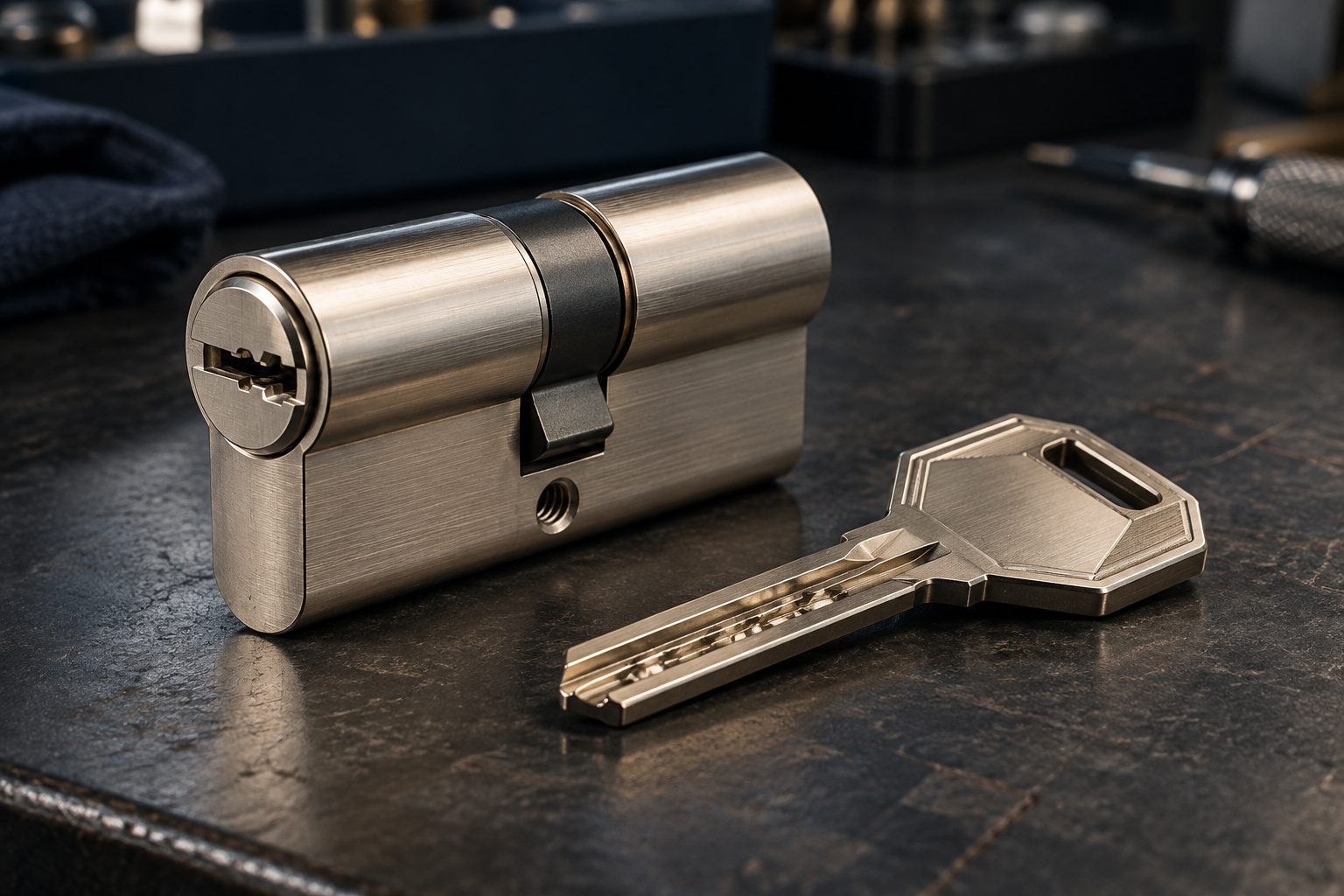
A high security cylinder resists three separate attacks. Manipulation resistance comes from spool, serrated and mushroom driver pins that produce false sets, from tight machining tolerances and often from a sidebar requiring a second independent element such as a finger pin or a milled side track. Physical attack resistance comes from hardened steel inserts and rods that destroy drill bits, and from anti pull and anti twist geometry. Key control comes from a patented blank that cannot legally or practically be duplicated without authorization.
That third element is the one people underestimate. A physically excellent lock on a keyway anyone can buy blanks for is only as good as your certainty about who holds keys. Restricted systems tie duplication to a signature card or a documented authorization list, which is why they are standard in multi-tenant towers, medical suites, jewelry and pharmacy operations and anywhere staff turnover is routine. The tradeoff is real: you cannot get a duplicate at a hardware counter, and replacements come through the system's controlled channel.
A master key system lets one cylinder answer to more than one key by introducing master wafers in the pin stacks, creating additional shear line positions. A change key opens one door. A master opens a defined group. A grand master sits above several masters. Designed properly the system is charted so every bitting is deliberate, cross keying is controlled and expansion is possible. Designed carelessly it produces phantom keys that open doors nobody intended, and the number of usable combinations collapses quickly.
Interchangeable core systems solve the maintenance problem. A small format or large format figure eight core drops into a housing and is removed with a control key in seconds, so rekeying a building means swapping cores rather than disassembling locks. For a Doral multi-tenant industrial park or a Wynwood building with fast tenant turnover, that difference is measured in hours per turnover. The cost is that the system has to be designed and inventoried up front rather than assembled one lock at a time.
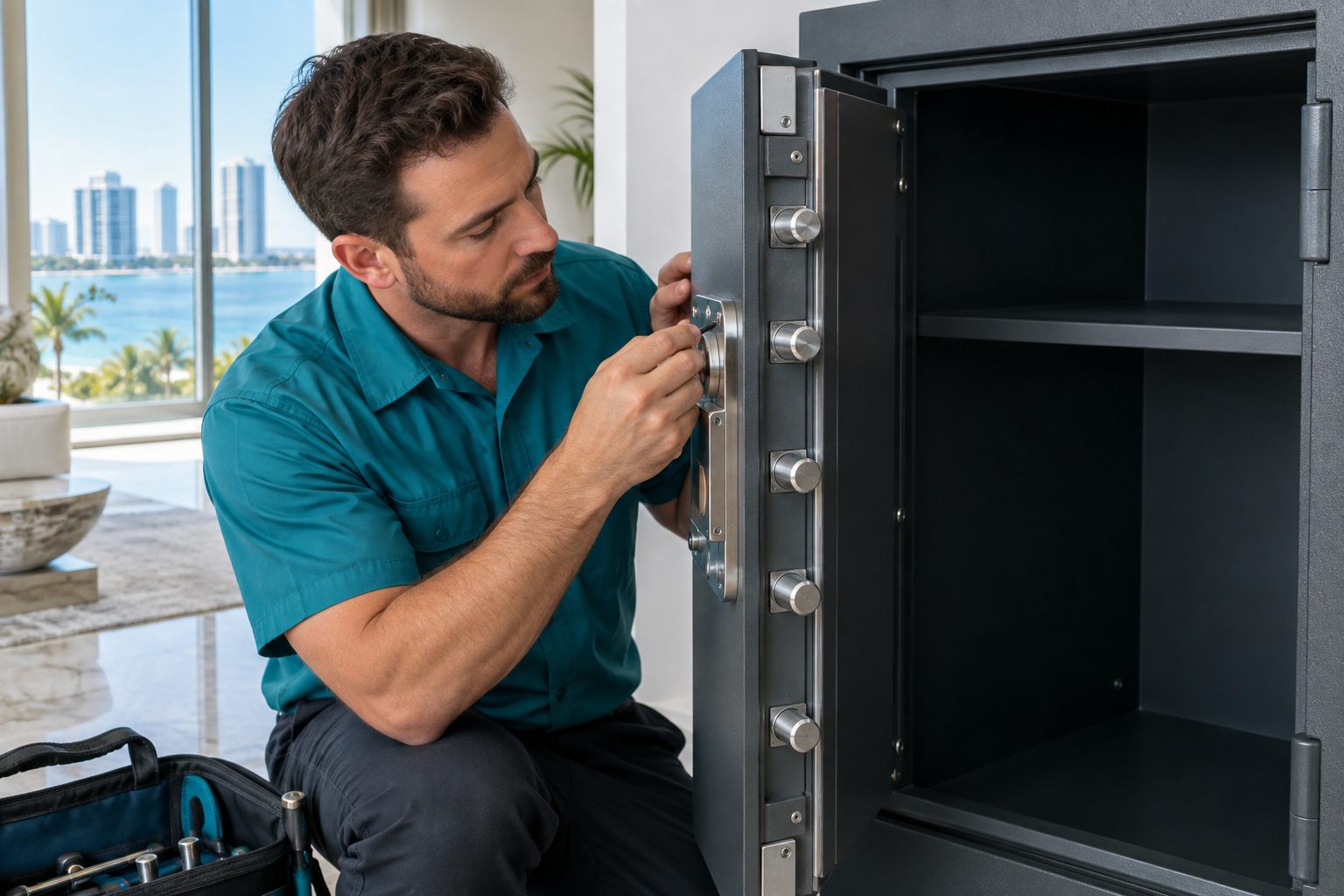
Safe work divides into manipulation, which reads the lock's own feedback to recover a combination without damage, and drilling, which puts a scope hole through a specific point to view and operate the lock package directly. Manipulation suits mechanical group two dial locks in sound condition. Drilling becomes necessary on electronic locks with dead or failed boards, on relocked containers and on jobs where time matters. Higher rated containers carry hardplate and glass relockers, and disturbing a relocker turns a short job into a long one.
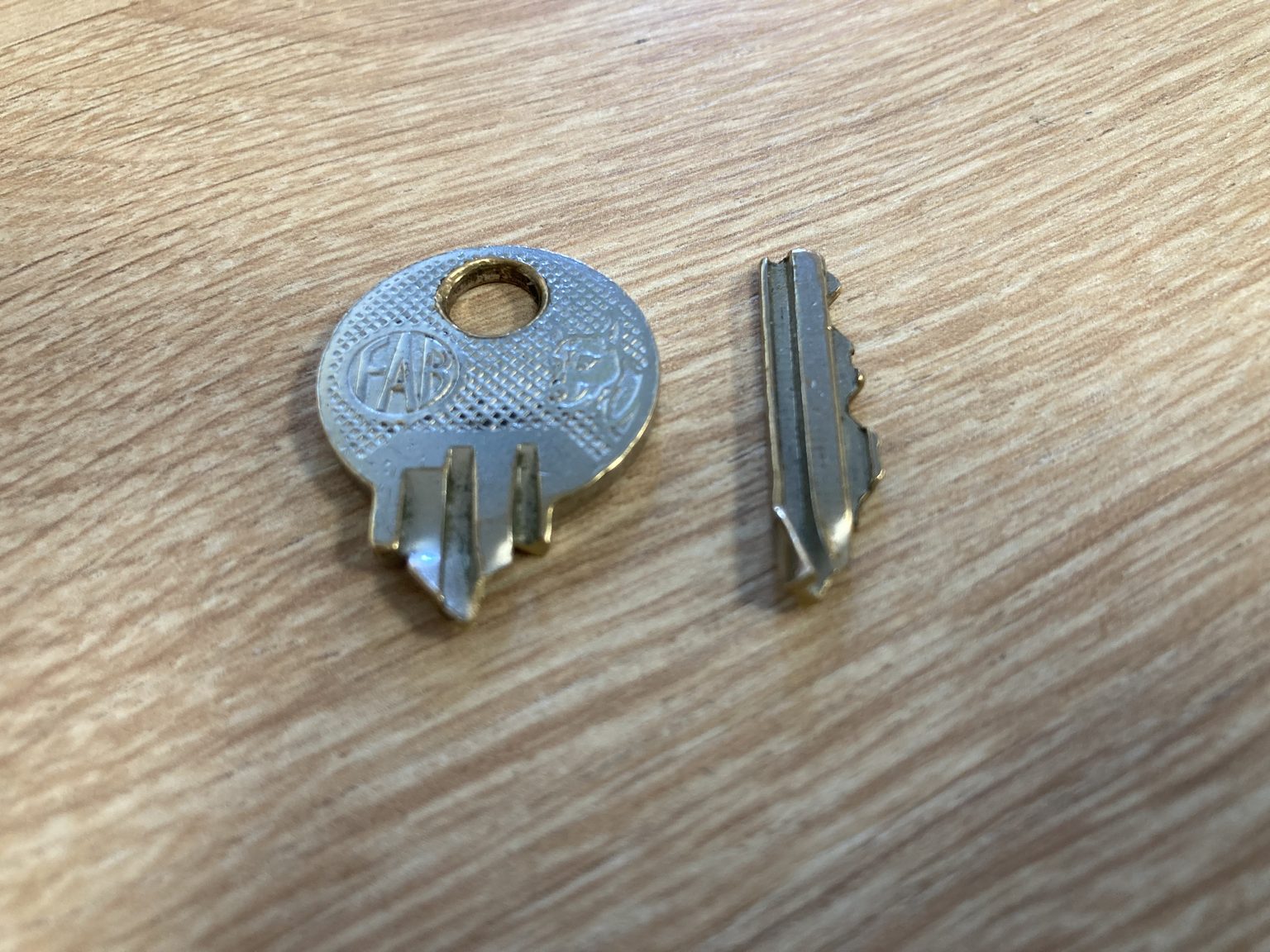
Broken key extraction is smaller work that goes wrong easily. A blade snapped off in a cylinder is removed with spiral or hook style extractors working the blade's own cuts, often paired with a light probe and, where the keyway allows, a scope. Pushing the fragment deeper, gouging the wafers or breaking an extractor tip inside the plug converts a ten minute job into a cylinder replacement. Keys usually break because they were worn thin or because the lock was binding, so the extraction is a symptom and the cause needs attention too.
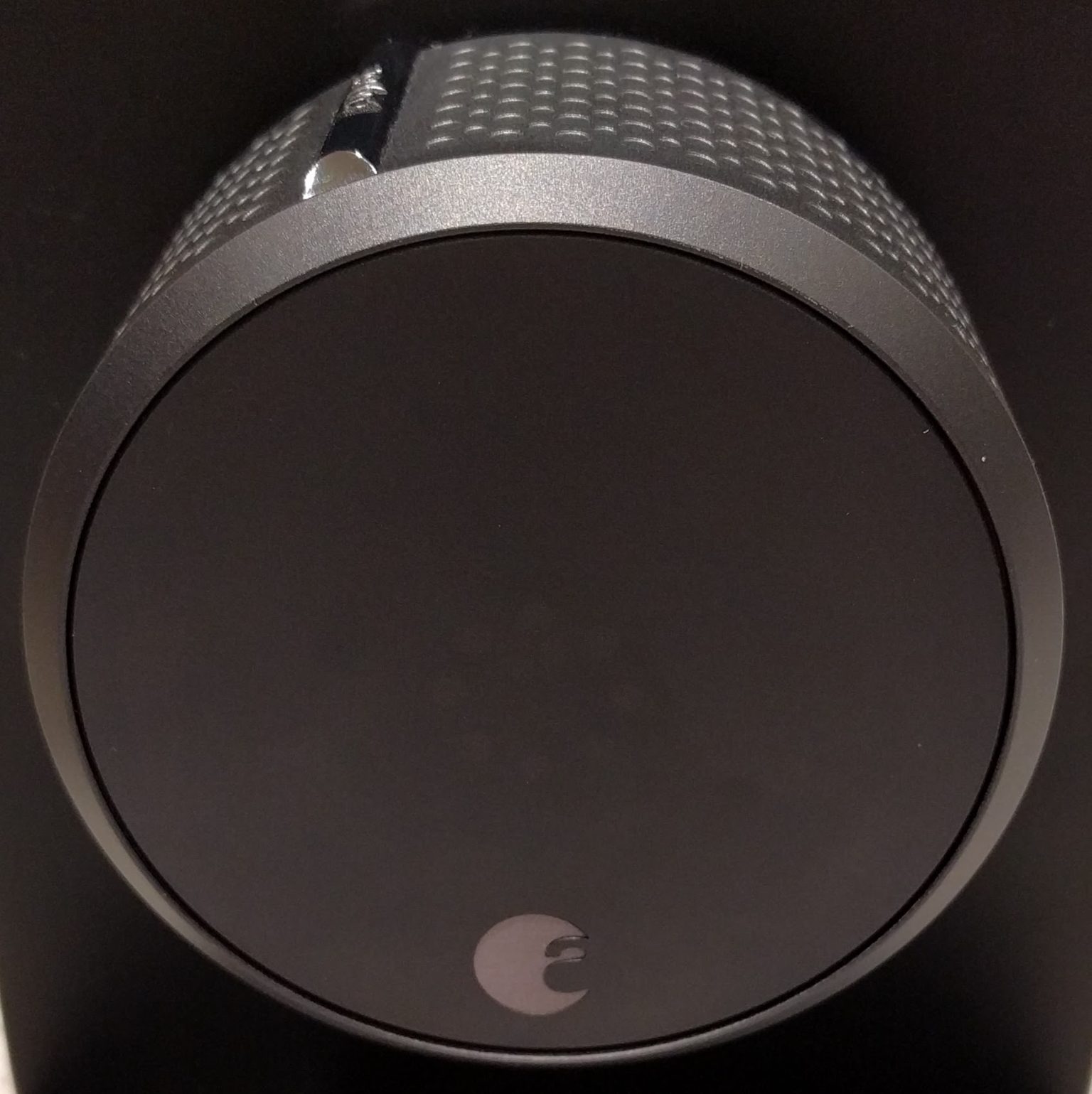
Electronic residential locks are now common across Doral, Miami Lakes, West Kendall and newer towers. They are mostly an installation and configuration discipline: correct backset and bore, proper alignment so the motorized bolt is not fighting the strike, sensible credential management, and a mechanical override path that actually works. The most frequent failure is not electronic at all. It is a door that binds seasonally, forcing the motor to drive a bolt into a misaligned strike until the gearing gives up.
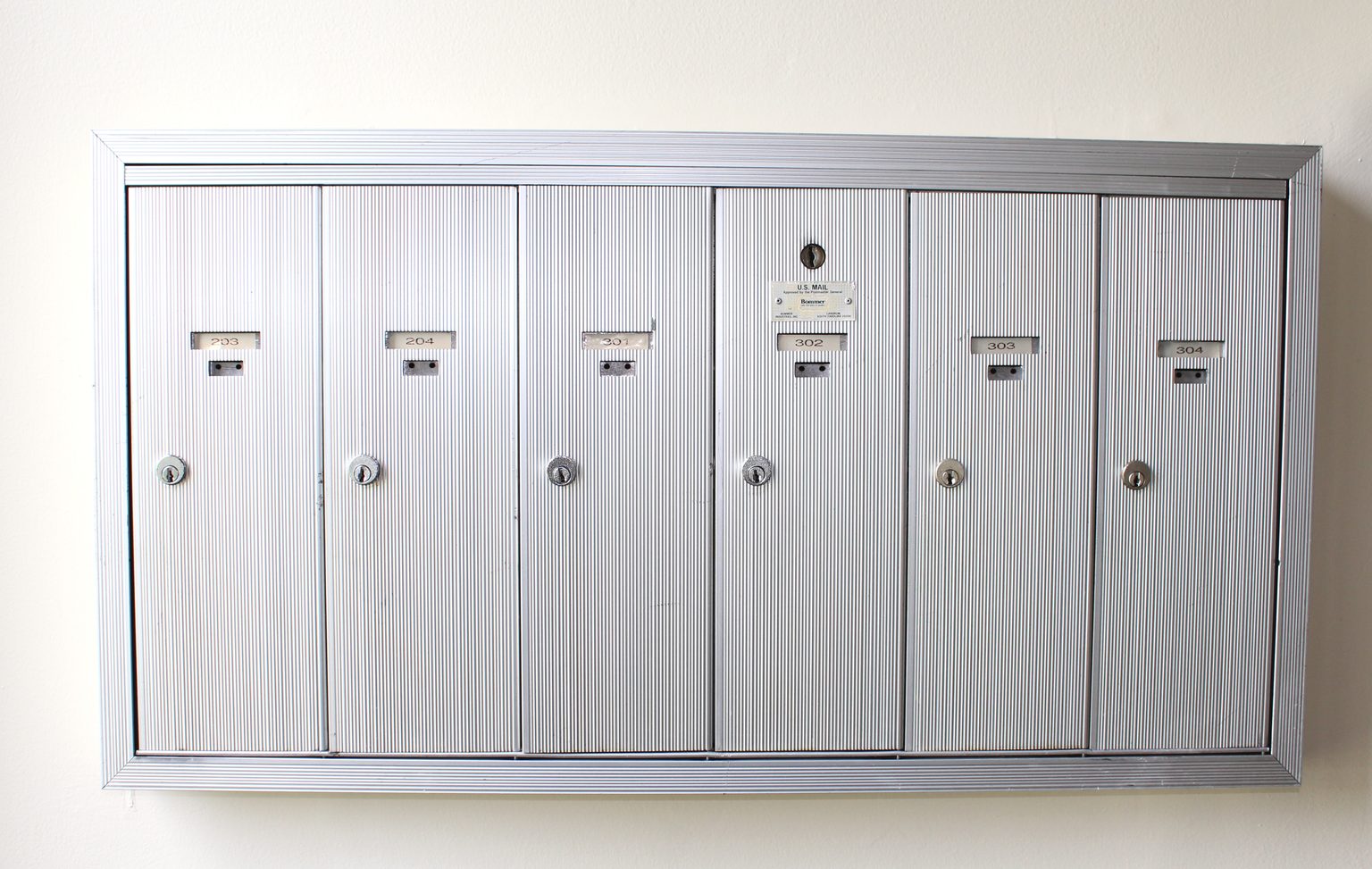
Mailbox locks are the least glamorous and most frequently needed small service in the county. Cluster box units, apartment mail banks, condo mail rooms and the older gang boxes use cam locks in a range of body lengths, cam shapes and mounting nut sizes, and the right replacement has to match all three. Ownership is the constant complication: some units belong to the postal service and cannot be touched by a private locksmith, while others belong to the property or the resident. Establishing which before ordering hardware saves a wasted visit.
Describe the problem to dispatch, they'll tell you exactly what it takes and what it costs.